What makes Kalbarri worth the trip
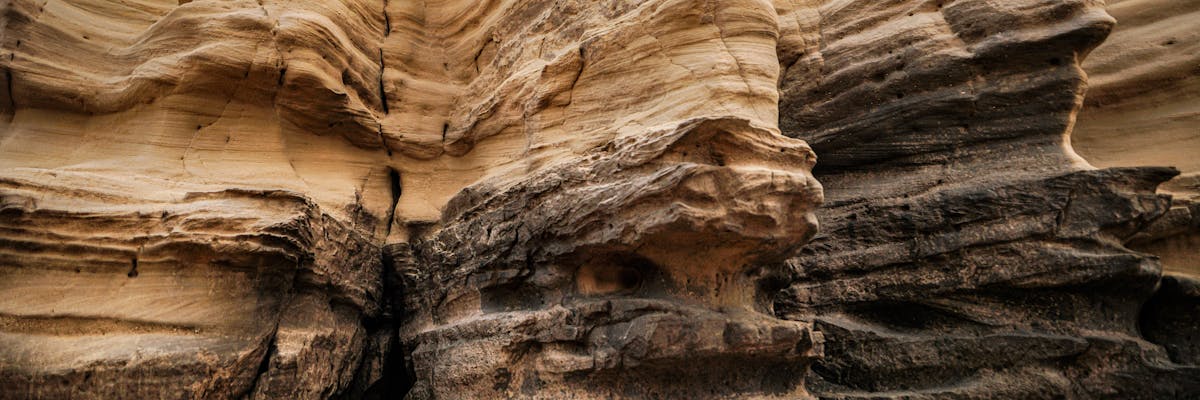
Kalbarri sits on the Indian Ocean at the mouth of the Murchison River, 590 kilometres north of Perth and a natural stop on the Coral Coast route between the city and Ningaloo Reef. It is a small coastal town. Around 2,000 permanent residents. Built around the national park that surrounds it on three sides. That park contains two extraordinary things: a 180-kilometre system of red and white banded sandstone gorges carved by the Murchison River, and a stretch of coastal cliffs running 13 kilometres south of town where the Indian Ocean hits 100-metre walls of the same ancient stone. Most visitors arrive for the gorges and leave thinking about the cliffs.
Kalbarri National Park covers 186,000 hectares. The inland gorge section and the coastal cliffs section are about 70 kilometres apart; both are accessible on sealed roads. Petrol, shops and accommodation are all in town. It is an easy base for exploring both sections.
The Kalbarri Skywalk and Nature's Window
Two cantilevered platforms extending 25 and 17 metres beyond the rim of the Murchison River gorge, 100 metres above the valley floor. Opened in 2020, the Skywalk (Kaju Yatka in Nanda language) makes the gorge accessible to everyone. Wide, level paths from the car park, wheelchair and pram friendly, cafe on site with a genuinely good view for coffee. The gorge below, red and white banded Tumblagooda sandstone deposited over 400 million years, is unlike any other rock formation in Australia.
Nature's Window is 2.4 kilometres from the Skywalk on a sealed road. A wind-eroded arch in the sandstone frames the Murchison River as it bends below. One of WA's most photographed landscapes. The walk to the Window from the car park is easy and short. The loop trail beyond it follows the gorge rim and descends to the river; allow two to three hours and carry adequate water.
Go to Nature's Window first thing in the morning when the rock catches golden light and before the main crowds arrive. It is 30 minutes from Kalbarri town. Then drive to the Skywalk for a mid-morning coffee with the gorge view. Arriving at the Skywalk before 9am also gives you the best light on the western wall.
The Coastal Cliffs
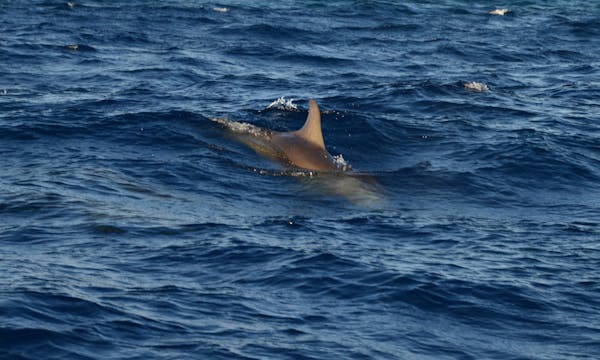
South of town along George Grey Drive, the national park's coastal section runs from Red Bluff to Island Rock. 13 kilometres of sheer sandstone dropping directly into the ocean. This is different country to the gorges: open heathland, sea winds, dolphins and humpback whales visible from the cliff tops between June and November. The main sites are signed and have short walks from parking areas.
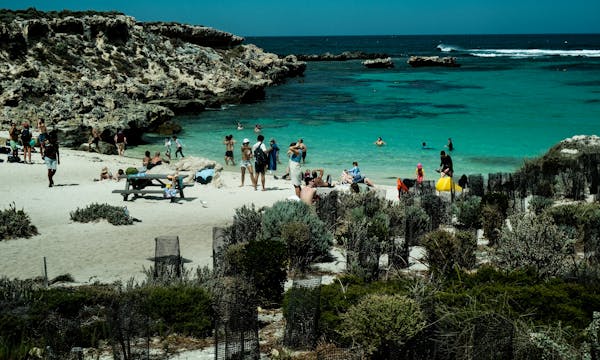
Red Bluff has a small beach below the cliffs and is the closest coastal site to town. Pot Alley has a steep walk down into a narrow ocean canyon. Impressive at high swell. Island Rock and the Natural Bridge are the southernmost sites, with the most dramatic rock formations. The Birgurda Trail connects the Natural Bridge with Eagle Gorge over 8 kilometres of coastal walking with wildflower displays from July onwards.
The Murchison River
The lower Murchison River runs through town to the ocean and is usable for kayaking, canoeing and fishing year-round. Ross Graham Lookout, about 40 kilometres inland from Kalbarri, is the best road-accessible point inside the gorge with direct access to the river bank. A good swimming hole in the cooler months. The river in town has a calm section near the boat ramp popular for stand-up paddleboarding and kayaking.
Wildflowers
Kalbarri and the surrounding region supports over 800 species of wildflowers. The peak is August to October, with gorge walks lined with Kalbarri catspaw, cowslip orchids, spreading coneflowers and a dozen species of banksias. The coastal cliff walks in spring become a continuous wildflower corridor. Even in July the roadsides north of Geraldton start showing colour. The Coral Coast Campervan Guide covers the timing well for a combined wildflower and Ningaloo trip.
Getting there
From Perth: take the Indian Ocean Drive through Lancelin and Cervantes (shorter and more scenic than the inland highway), or the Brand Highway through Geraldton. Either way it is about six hours. No public transport to Kalbarri. A car is essential. Kalbarri is 160 kilometres off the North West Coastal Highway; turn off at Ajana. Fuel in Kalbarri is typically 20-30 cents per litre more expensive than Perth. Fill up in Geraldton.
| Season | When | Temp | Verdict |
|---|---|---|---|
| Wildflowers | Aug-Oct | 16-26 C | Peak wildflowers, perfect weather, best overall |
| May-July | May-Jul | 12-22 C | Cool, quiet, whale season begins June |
| Autumn | Mar-Apr | 22-32 C | Warm but manageable, fewer visitors |
| Summer | Dec-Feb | 30-45 C | Extreme heat. Inland gorges dangerously hot |
Practical notes
- Park entryCheck current DBCA fees
- Water: No water in the gorges. Carry minimum 2 litres per person for any gorge walk. Shade is minimal in summer.
- Fuel: Fill up in Geraldton. Kalbarri has one petrol station. Prices are higher than Perth.
- Phone coverage: Telstra is best in this region. Coverage drops in the gorge interiors. See our Campervan Guide for remote connectivity options.
- Accommodation: See our Kalbarri Accommodation Guide for all options from caravan parks to resort lodges.
Frequently Asked Questions
590 kilometres north of Perth. Approximately six hours by car. The most scenic route is via the Indian Ocean Drive through Lancelin and Cervantes, then north through Dongara and Geraldton. There is no regular public transport to Kalbarri.
No. All roads to the main attractions in Kalbarri National Park, the Skywalk, Nature's Window, Z Bend and the coastal cliff sites, are sealed and suitable for 2WD vehicles. A 4WD is only needed for unsealed tracks within the park.
August through October is the reliable window, with September being the typical peak. The gorge floor and coastal cliff walks are both excellent for wildflowers in this period. The region has over 800 wildflower species including the endemic Kalbarri catspaw and cowslip orchid.
The lower Murchison River in town and at Ross Graham Lookout is generally safe for swimming in the cooler months. The river does not have crocodiles. That is a north Kimberley issue. Check with the visitor centre about current conditions, as the gorge floor can flood after heavy rain.
Technically yes. It is 590km each way, so it would be a very long day. Three to four nights allows you to see both the gorges and coastal cliffs properly, do the wildflowers in season, and explore without rushing. Kalbarri also works well as an overnight stop on a longer Coral Coast drive to Ningaloo.
Continue Your Journey
Where to go next from Kalbarri