What Kalgoorlie actually is
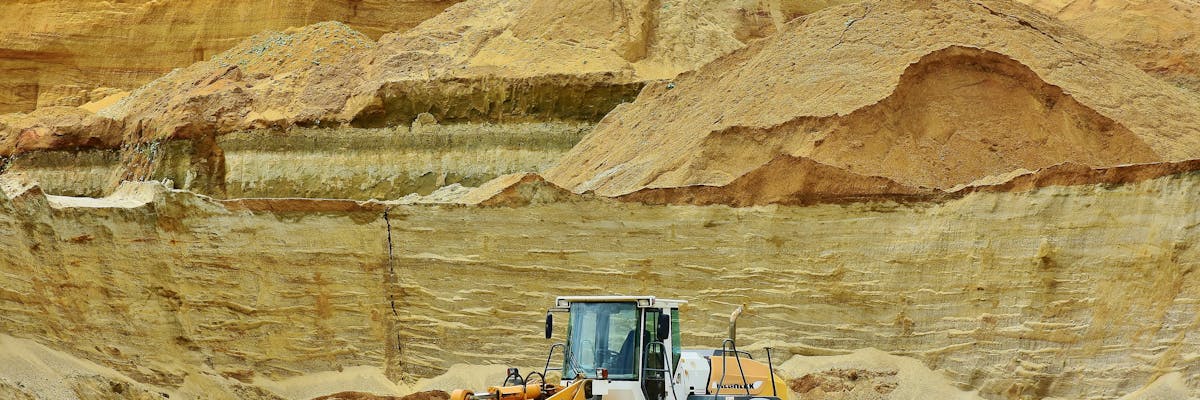
Six hundred kilometres east of Perth, at the edge of the Great Victoria Desert, Kalgoorlie is unlike anywhere else in Australia. The wide streets were laid out to turn a fully laden camel train. The ornate Victorian pubs on every corner were built when gold was coming out of the ground faster than anyone had thought possible. The Super Pit, three and a half kilometres long, nearly 600 metres deep, is visible from the edge of town like a canyon that appeared overnight. The city was founded in 1893 when an Irish prospector named Paddy Hannan found gold lying on the surface, and it has never quite moved past that discovery.
Kalgoorlie-Boulder (the two towns merged in 1989) has produced over 2,000 tonnes of gold since the first strikes. Stand at the rim of the Super Pit and watch the haul trucks working their way down the terraced walls, each one carrying 200 tonnes of ore, and the number starts to make physical sense. The trucks are ten metres tall. From the pit rim, 600 metres above the floor, they look like toys. Scale is what Kalgoorlie does to you.
The city is not just a mining operation with a heritage precinct attached. It has its own culture, frontier, self-reliant, not particularly interested in what the coastal cities think of it, and the people here chose to be here. That choice gives the city a confidence that is worth engaging with rather than visiting from the outside. Come for two or three days, not one.
The Super Pit
The free lookout on Outram Street is open 24 hours and gives an unobstructed view into one of the largest open-cut gold mines in Australia. Go twice: once in daylight to see the full scale of the operation, and once at night when the truck headlights working across the pit walls have a hypnotic quality that daytime doesn't quite match.
Blasts typically happen on weekdays around 1pm. The explosion produces a visible dust cloud, followed three to four seconds later by a concussion you feel through the ground even from 600 metres above. KCGM publishes blast schedules online and at the visitor centre. If your timing allows, arrange to be at the lookout when one is scheduled. The amount of energy involved in moving that much rock is one of the more genuinely humbling things in Australian industry.
Morning light falls on the western wall; afternoon light catches the eastern wall. The golden hour here has an extra dimension. The red walls and ochre haul roads absorb the light in a way that makes the mine look even more extraordinary than it does at midday. Photographers should plan accordingly.
Hannan Street
Kalgoorlie's main street is one of the most architecturally striking in regional Australia. Laid out wide enough to turn a camel train, Hannan Street is lined with the ornate limestone and brick buildings that goldfields wealth built in the 1890s and early 1900s. The Exchange Hotel, the Palace Hotel, the Town Hall, the Post Office and the Courthouse are all worth stopping for. The pubs in particular have been maintained in something close to their original condition. Pressed tin ceilings, long bars of Queensland maple, beer gardens opening onto the street.
The Palace Hotel, built in 1897, is the finest of the lot: a two-storey limestone building with wrought-iron balconies and corner towers, with a restaurant that has been feeding the goldfields for over a century. Have a beer in the bar even if you're not staying. The photographs on the walls document a Kalgoorlie that was simultaneously more dangerous and more interesting than the current city.
Museum of the Goldfields
Housed in the heritage-listed Golden Mile Loopline Railway Station, the museum tells the story of the goldfields through objects, documents and personal accounts across 130 years of history. The gold vault on the ground floor contains specimens ranging from small nuggets to pieces the size of a fist, plus a solid gold bar of about 11.5 kilograms that visitors are invited to lift. Almost everyone is surprised by how heavy it actually is. The physics of gold density is not intuitive until you feel it.
The exhibition on the multicultural history of the goldfields is particularly good, covering the Italian, Eastern European, Chinese, Afghan and Aboriginal communities that all played a part in opening the interior. The Afghan cameleers, muslim men who managed the camel supply trains before the railway arrived, are represented with a nuance that the standard Australian history has often missed. Budget two hours, which turns out to be not quite enough.
Hannans North Tourist Mine
Hannans North Tourist Mine is an above-ground mining museum with a self-guided outdoor visit, mining machinery and gold panning. Allow roughly 1.5–2 hours. Underground tours are not available: the operator says they stopped in 2012.
Much of the site has gravel and uneven surfaces. Check current opening hours, demonstrations and accessibility on the official visitor page.
Day trips: Coolgardie and beyond
Coolgardie, 40 kilometres west of Kalgoorlie on the Great Eastern Highway, was once a city of 15,000 people and the administrative capital of the goldfields. Today about 900 people live among the ruins of the buildings that gold built. The Goldfields Exhibition Museum in Coolgardie is excellent. The drive between the two towns passes a succession of abandoned mining sites that tell the story of boom and collapse more effectively than any museum could.
Wave Rock, 180 kilometres north of Kalgoorlie near Hyden, is a geological formation. A granite wave 15 metres tall and 110 metres long. That has become one of WA's most visited natural landmarks. It works well as a day trip combined with the ghost town of Hyden and some of the surrounding granite outcrops. For those with more time, the drive east to Norseman and the start of the Nullarbor Plain gives an unambiguous sense of the country the early prospectors crossed on foot.
Getting to Kalgoorlie
Kalgoorlie Airport has direct flights from Perth taking about one hour. The Prospector train from Perth East station covers the 597 kilometres in approximately 7 hours on a comfortable, well-run service. It departs daily and is used primarily by miners and their families rather than tourists, which gives it a different character from a tourist train. Book ahead. Driving takes about six hours on the Great Eastern Highway through York, Merredin and Coolgardie. Straightforward driving on a good road, though there is not much to see until you get close to Kalgoorlie.
| Season | When | Temp | Verdict |
|---|---|---|---|
| Autumn | Apr-May | 17-28 C | Best overall. Comfortable, not yet hot |
| Winter | Jun-Aug | 2-18 C | Cool nights; dry; very comfortable days |
| Spring | Sep-Nov | 15-30 C | Warming up; generally good |
| Summer | Dec-Mar | 25-42 C | Extreme heat. Avoid if possible |
Practical notes
- Blast times: Check the KCGM website or visitor centre for the current blast schedule before going to the lookout.
- Race Round: The Kalgoorlie Race Round in October is one of the great outback social events. Book accommodation months ahead.
- Heat: Summer temperatures regularly exceed 40 degrees. Outdoor activity in December and January should be limited to early morning and evening.
- Getting there: The Prospector train is the most enjoyable way to arrive. Book at least a week ahead.
- Accommodation: See our Kalgoorlie accommodation guide. The Palace Hotel is the most characterful option in town.
- Mobile coverage is limited or absent in remote areas. Starlink satellite internet is worth considering if you're spending time away from the main highway.
Continue Your Journey
Where to go next from Kalgoorlie
Related Guides
Perth
The capital. 6 hours west by road
Albany
Long southern loop via the Goldfields
Kalgoorlie Accommodation
Palace Hotel to caravan park
Campervan & Caravan Stay
Free 72-hour rest stops and council rules
WA Itineraries
Goldfields road trip route
Kalgoorlie.info
Local Goldfields travel, fuel, events and practical town updates
Frequently Asked Questions
By air (about one hour, QantasLink operates frequent services) or by the Prospector train (about seven hours from Perth East Station. Comfortable, book ahead). Driving takes about six hours on the Great Eastern Highway.
Typically around 1pm on weekdays, though the schedule varies. KCGM publishes current blast times on their website and at the visitor centre on Hannans Street. The concussion is felt at the rim 600 metres above even from the public lookout.
Two nights is the right amount. Day one: Super Pit at day and at night, Hannan Street pubs. Day two: Museum of the Goldfields, Hannans North Tourist Mine, drive to Coolgardie ghost town 40km west.
Typically in October over several days. One of the great social events of outback WA. Accommodation in the city books out months in advance. Sort your stay early if you are visiting in October.
Yes. More than most people expect. The Super Pit has a scale that photographs cannot convey. Hannan Street is one of the finest heritage streetscapes in regional Australia, the Museum of the Goldfields is excellent, give it two nights.