Planning Cape Le Grand camping? Compare entry passes, camping charges and booking rules in our WA park passes and camping fees guide.
Why Esperance is one of WA's best-kept secrets
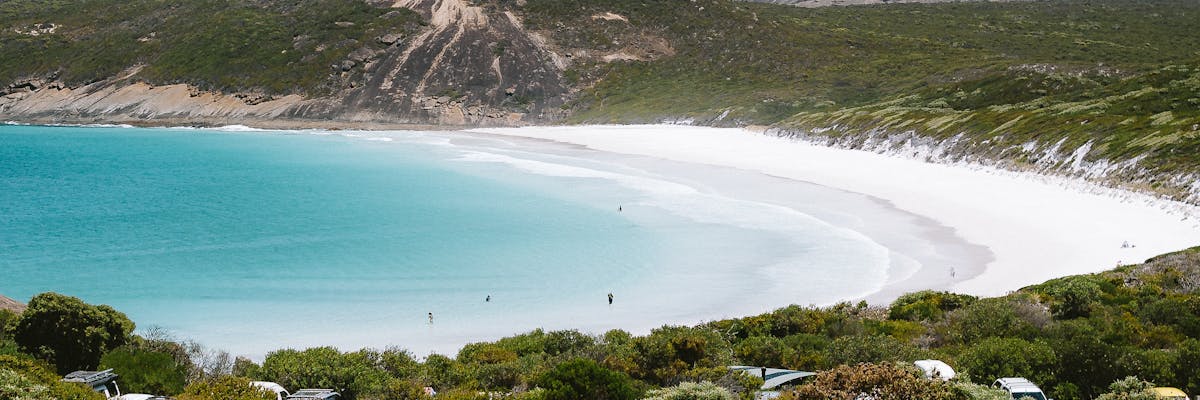
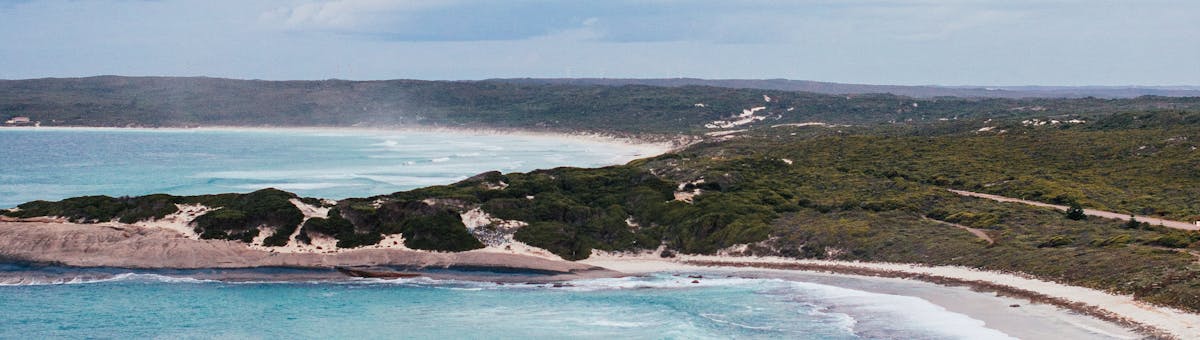
Esperance sits on the edge of the Southern Ocean 720 kilometres south-east of Perth. Far enough off the main tourist routes that most visitors who make it here feel like they've discovered something. The town itself is a pleasant coastal community of around 13,000 people, but the draw is the coastline that surrounds it: Cape Le Grand National Park to the east, the Recherche Archipelago offshore, and some of the most extraordinary beaches in Australia, including Lucky Bay where kangaroos lounge on white quartz sand next to turquoise water.
The town is also the closest mainland base for tours towards Lake Hillier on Middle Island, where the famous pink colour is no longer guaranteed, and sits at the southern end of the Goldfields and Great Ocean Drive, making it a natural end point for long drives from either Kalgoorlie or Perth.
For hotels, holiday parks, family cabins, Cape Le Grand camping and Esperance self-contained accommodation, use the dedicated accommodation guide before booking peak dates.
Cape Le Grand National Park and Lucky Bay
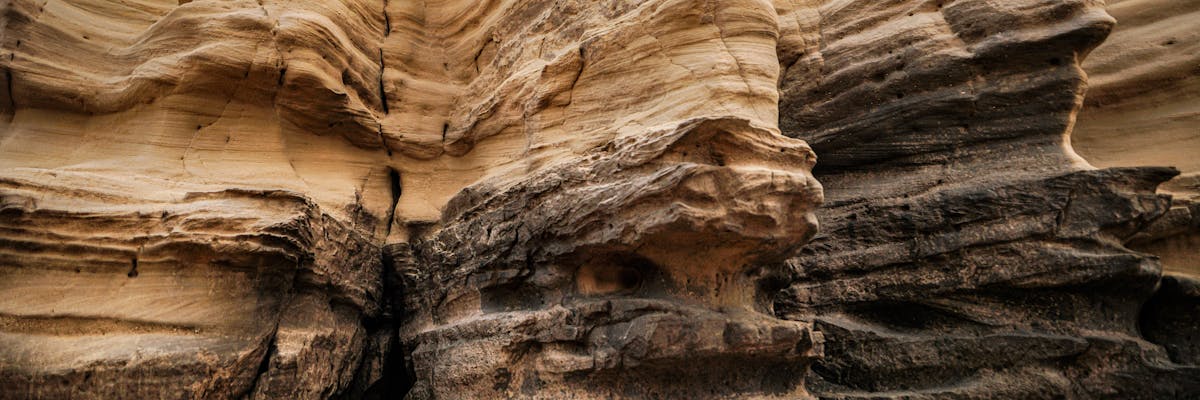
50 kilometres east of town on a sealed road, Cape Le Grand National Park covers 31,000 hectares of granite peaks, heath, and coastline. Lucky Bay is the showpiece. White quartz sand so fine it squeaks underfoot, turquoise water you can see straight through to the bottom, and eastern grey kangaroos who treat the beach as their personal sunbathing spot. The bay is more sheltered than many south-coast beaches, but conditions can change; check warnings and only enter the water when conditions suit your ability.
Hellfire Bay, Thistle Cove, and Le Grand Beach further west in the park are equally beautiful and often deserted. The Frenchman Peak walk (3 km return, allow about 2 hours) climbs to a cave opening at the summit with views across the archipelago. Bring water. Shade is minimal.
Go early in peak periods and allow for changing wildlife and beach conditions. Park entry fees and holiday-pass prices can change; check the official WA Parks and Wildlife Service before travelling.
Lake Hillier and the Recherche Archipelago
Lake Hillier is on remote Middle Island in the Recherche Archipelago. It became famous for its vivid pink colour, but environmental changes following heavy rainfall in 2022 mean that the colour can no longer be guaranteed. Access is generally by scenic flight or authorised boat tour, subject to current operating conditions.
Great Ocean Drive
Esperance's 38-kilometre Great Ocean Drive loops west of town past cliff lookouts, pristine beaches and the Pink Lake (separate from Lake Hillier. A smaller salt lake near town, though water management changes have reduced its pink intensity in recent years). The Blue Haven Beach, Observatory Point, and Twilight Beach sections all have parking areas and short walks. The full drive takes two hours leisurely; most viewpoints have disabled access.
Wildflowers
The Esperance region supports over 2,000 plant species with one of WA's highest concentrations of endemics. The peak wildflower season is September to October, when the roadsides and Cape Le Grand's heath turn into continuous colour. Spider orchids, banksias, hakeas, and the extraordinary pink everlastings. The Fitzgerald River National Park two hours west is the premier wildflower destination in this part of WA and worth combining with an Esperance visit.
Getting there
From Perth by road: the quickest route is the South Coast Highway via Ravensthorpe (about 7.5 hours). The more scenic route through the Wheatbelt and Jerramungup adds an hour but takes you through more varied country. Daily flights from Perth take 90 minutes. Transwa operates scheduled GE2 coach services between East Perth and Esperance via Kulin and Hyden; check the current timetable before booking. Fuel in Esperance is typically 15–20 cents higher than Perth. Fill up in Ravensthorpe if coming from the west.
| Season | When | Temp | Verdict |
|---|---|---|---|
| Wildflowers | Sep–Oct | 16–24°C | Peak blooms, mild. Best overall |
| Summer | Dec–Feb | 22–32°C | Beaches at best, warm swimming |
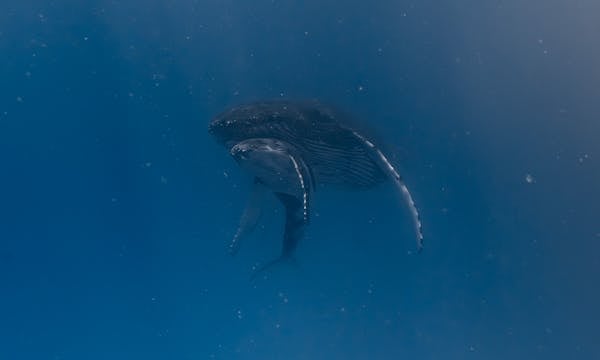
| Whale watching | Jun–Oct | 10–20°C | Humpbacks and southern rights offshore |
| Winter | Jul–Aug | 8–16°C | Cold Southern Ocean winds, some rain |
Practical notes
- Park entryCheck current DBCA fees
- Fuel: Cheaper in Ravensthorpe than in Esperance. Fill up before arriving if driving from the west.
- Phone coverage: Telstra provides the best coverage in the region. Cape Le Grand has limited coverage inside the park.
- Accommodation: Book ahead in school holidays and October wildflower season.
Frequently Asked Questions
Esperance is about 700–720 kilometres by road from Perth. Flights and scheduled Transwa GE2 coach services are available; a car remains useful for Cape Le Grand and beaches outside town. Check current operator timetables before travel.
Lake Hillier became famous for its vivid pink colour, but environmental changes after heavy rainfall in 2022 mean the colour is not guaranteed. Access to remote Middle Island is generally by scenic flight or authorised boat tour, subject to operating conditions.
Lucky Bay in Cape Le Grand National Park is consistently ranked one of Australia's best beaches. White quartz sand, turquoise water, and kangaroos resting on the beach. Hellfire Bay and Thistle Cove nearby are equally spectacular and usually much quieter. All are within 50 kilometres of town on sealed roads.
No. Lucky Bay and the main Cape Le Grand beaches are accessible on sealed roads with a standard vehicle. Park entry fees and holiday-pass prices can change; check the official WA Parks and Wildlife Service before travelling. Some remote beaches and tracks require a 4WD.
September to November for wildflowers and mild temperatures (18–24°C). December to February is warm (up to 32°C) but beaches are at their best. Avoid July–August if you dislike cold winds off the Southern Ocean. Whale watching (humpbacks and southern rights) runs June to October.
Continue Your Journey
Where to go next from Esperance